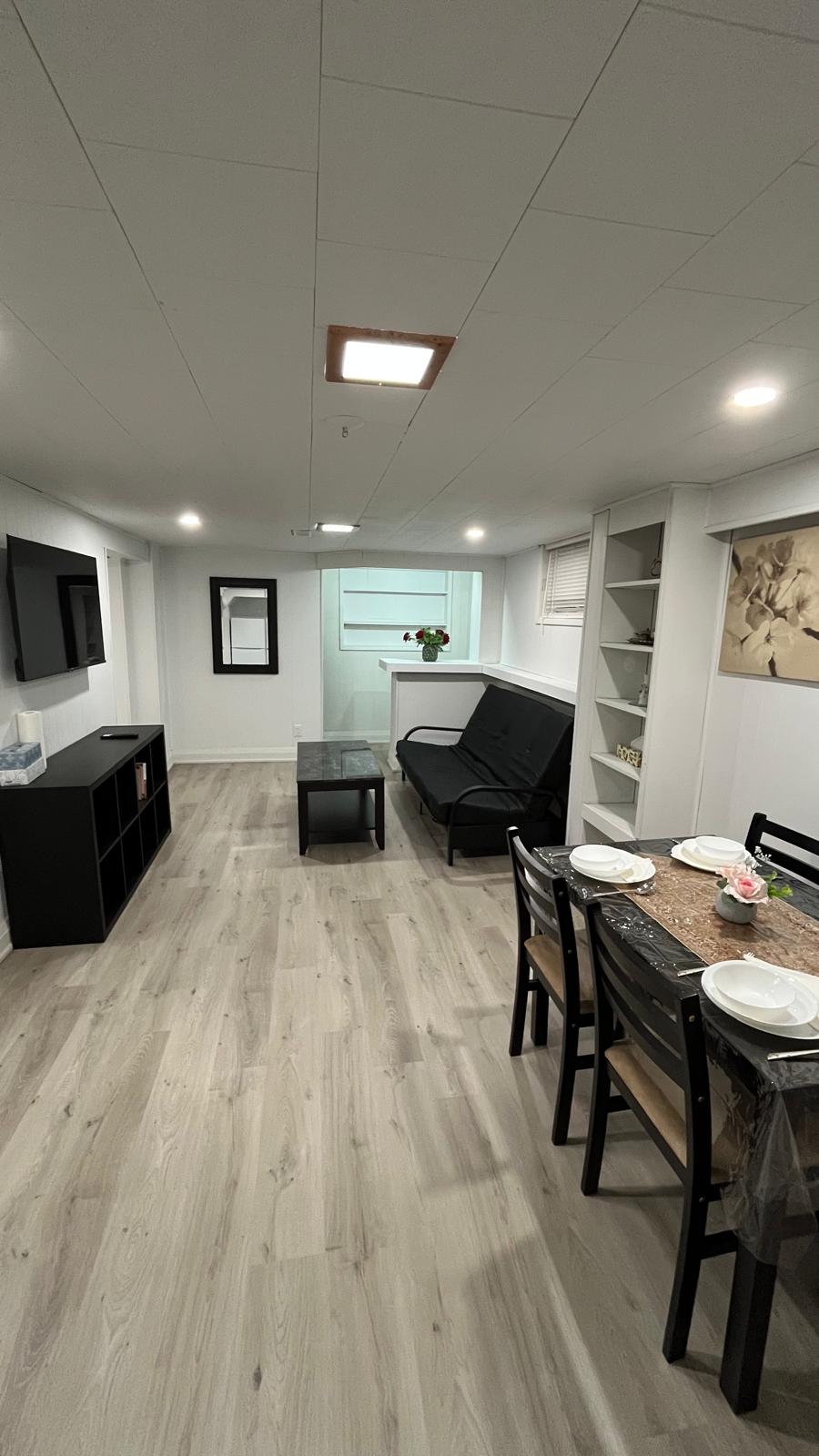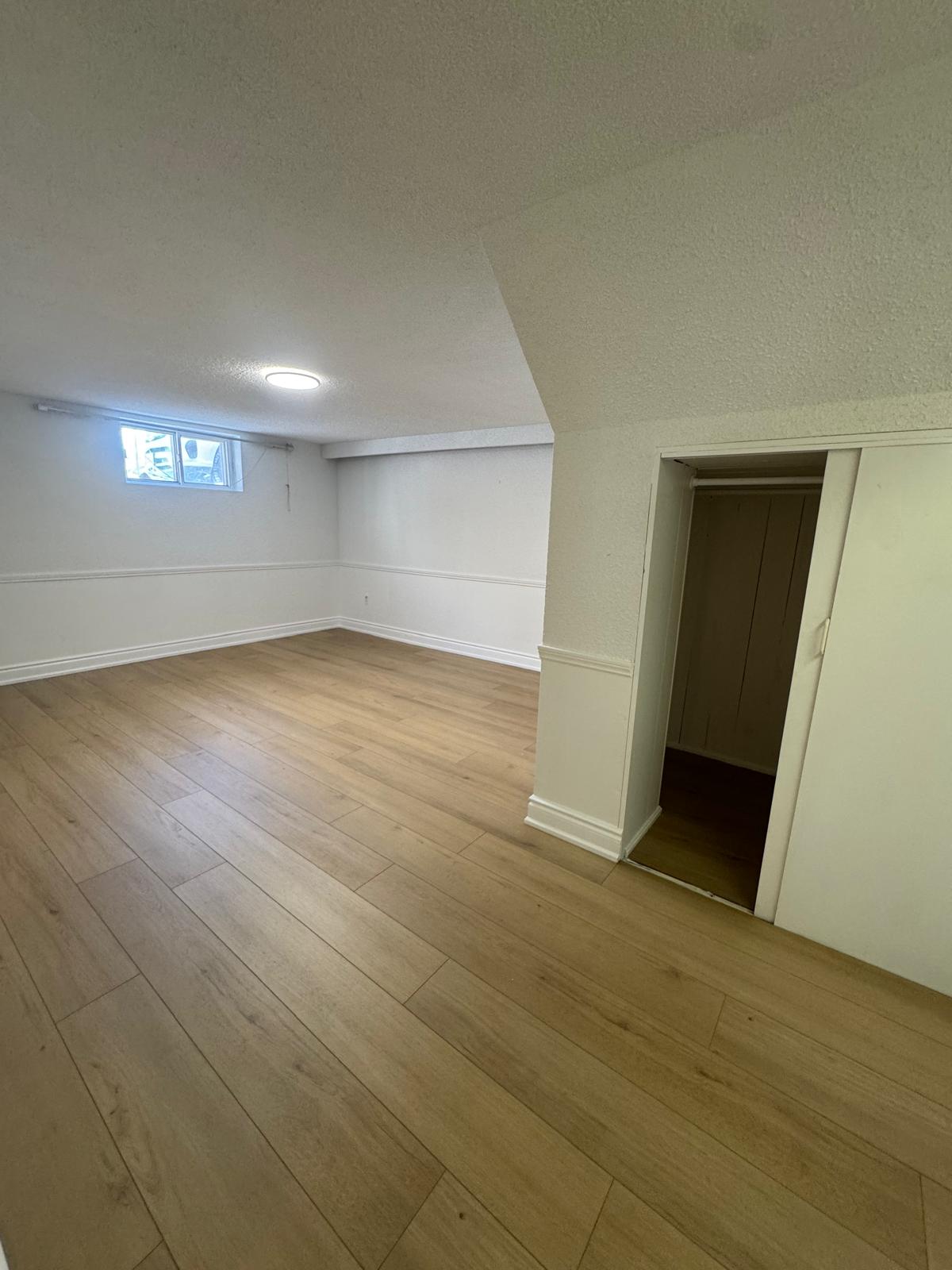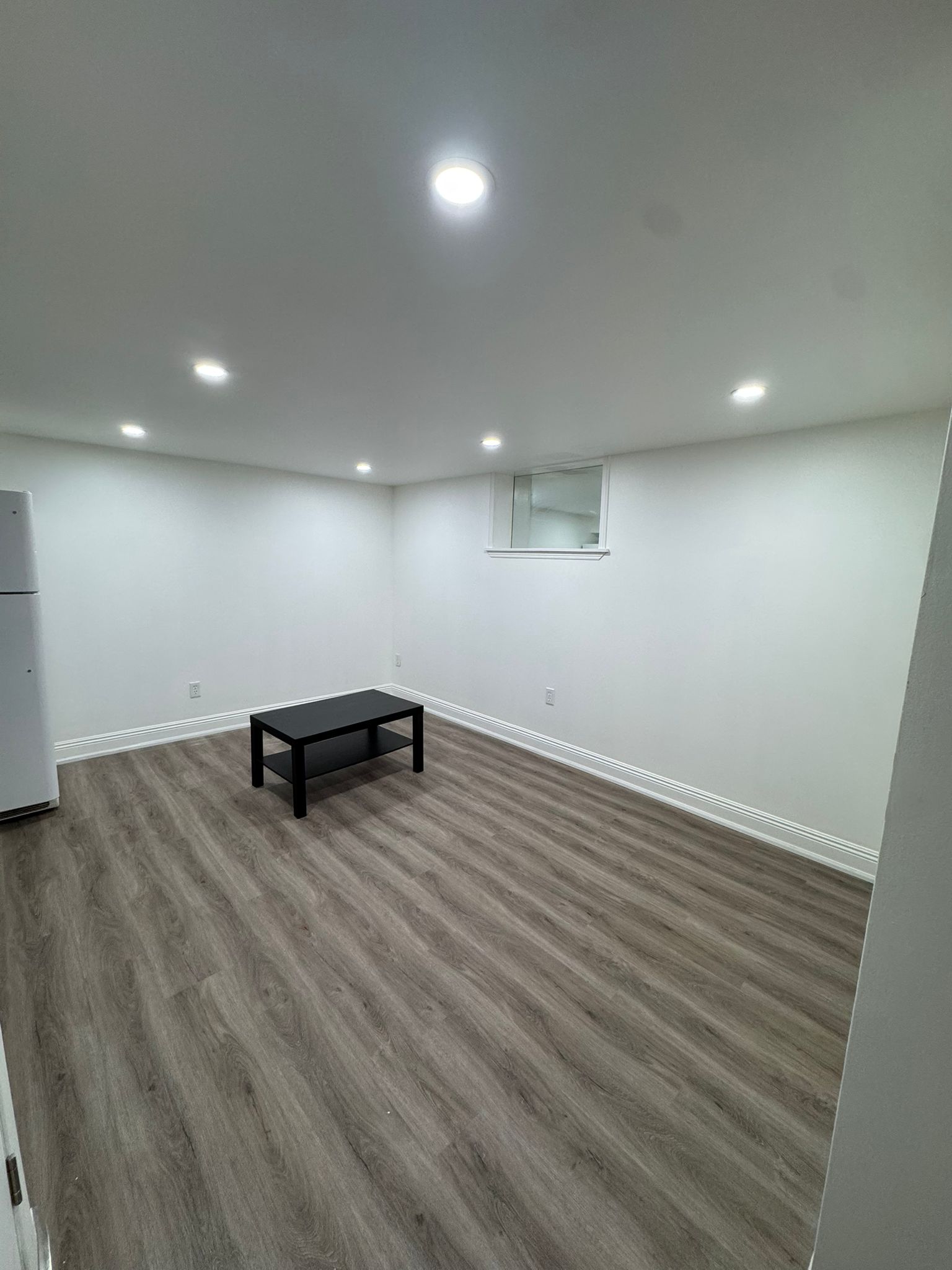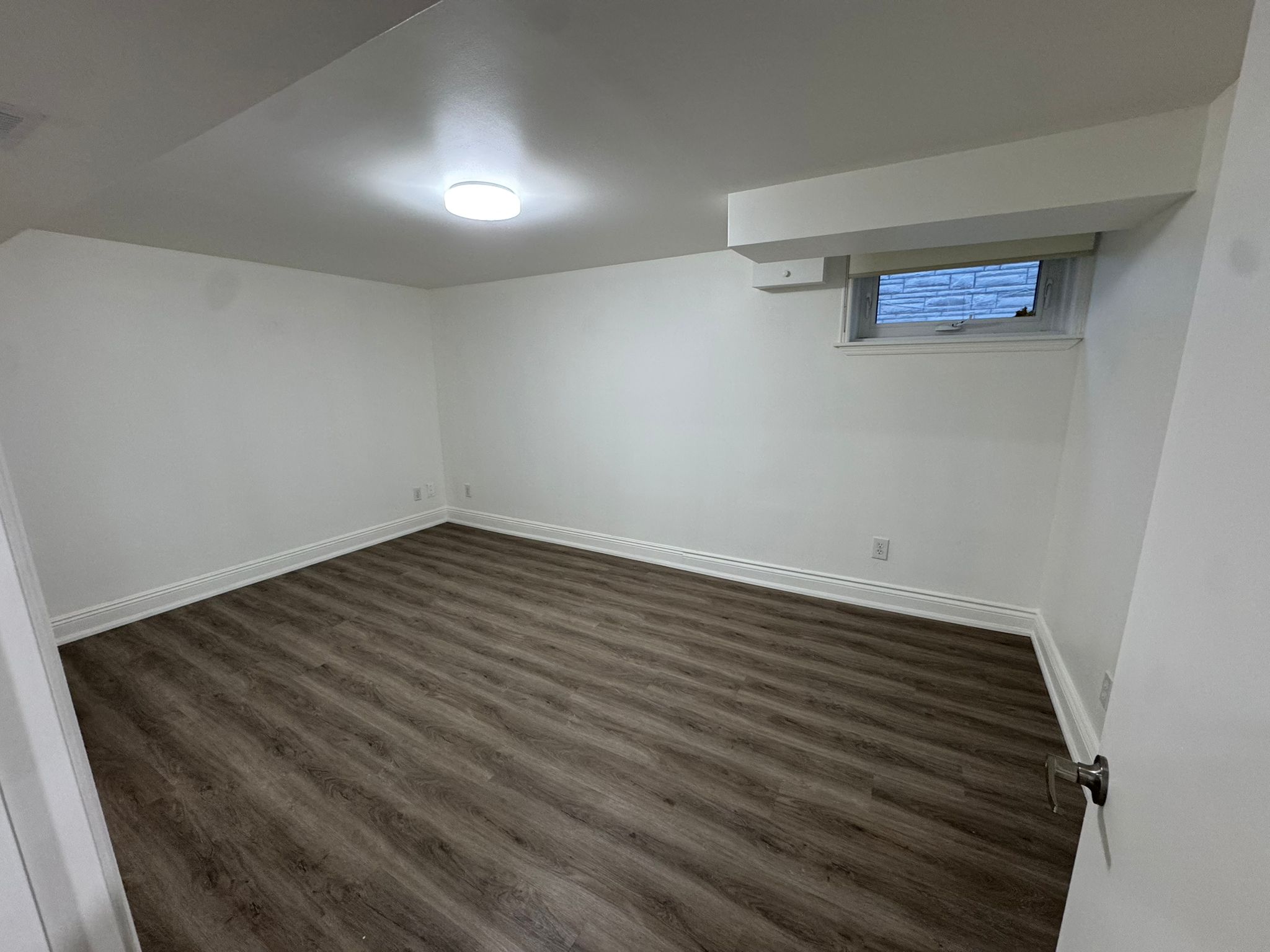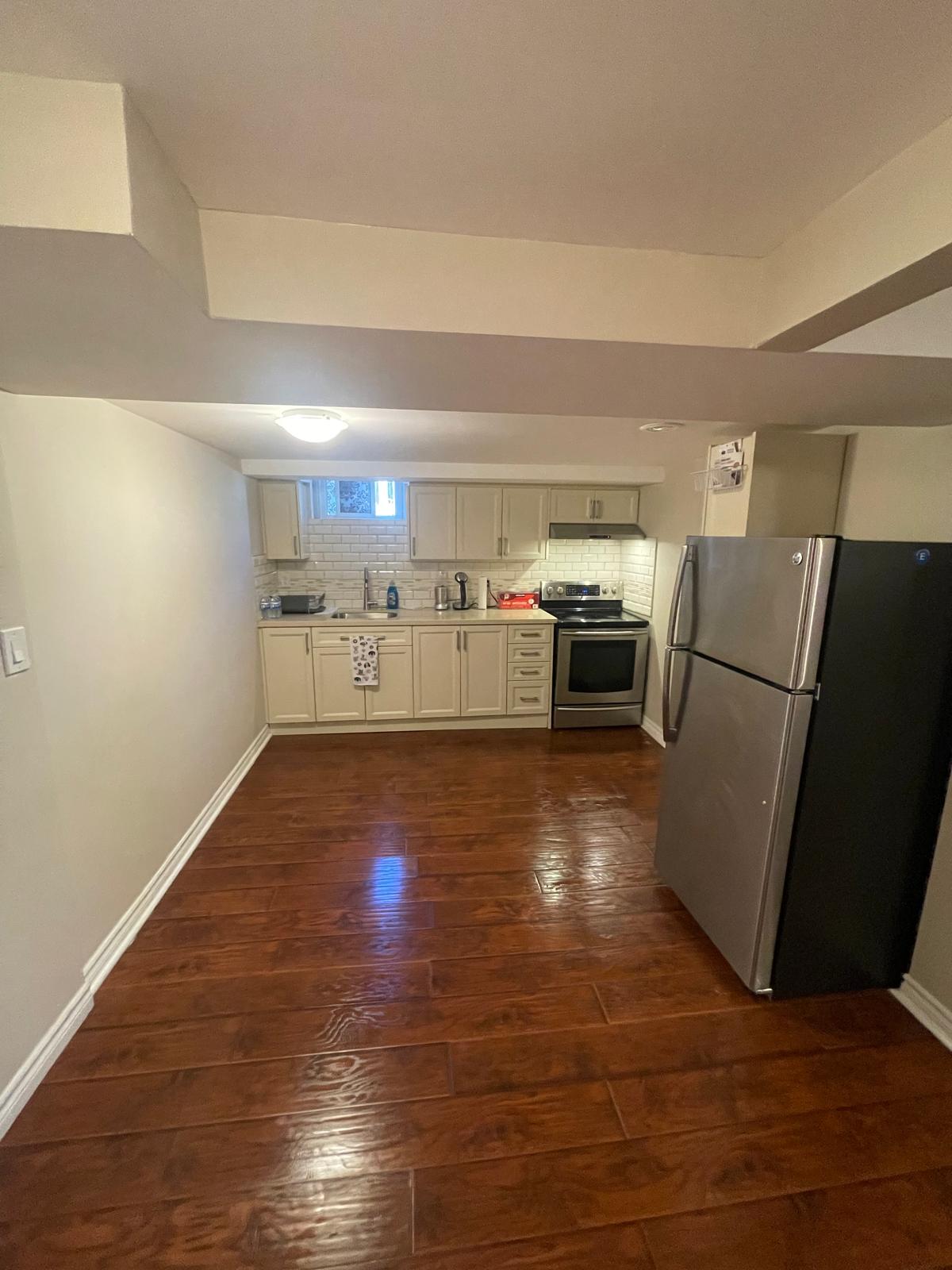
TopDown Renovations converts Toronto basements into legal secondary suites for rental income. A typical 1,000 sq ft conversion costs $65,000 to $95,000 and includes framing, insulation, kitchen, bathroom, fire separation, HVAC zoning, egress windows, and separate entrance. Licensed, insured, $5M general liability. We pull City of Toronto permits and register the suite after final inspection.
Who This Page Is For
Toronto homeowners considering converting an unfinished or partially finished basement into a legal rental unit, often referred to as a secondary suite, basement apartment, or in-law suite. The conversion is one of the highest-return renovations in the GTA because of Toronto's tight rental market and the City's supportive zoning bylaw for second units.
Real Numbers: What a Conversion Costs and Returns
Most Toronto basement apartment conversions in 2026 fall into one of three cost tiers based on whether underpinning and a separate entrance are needed:
- Lower-end ($55,000 to $70,000). Existing 7+ foot basement ceiling, walkout already in place or compliant egress windows, simple rectangular layout. One-bedroom unit with 3-piece bathroom and small kitchen.
- Mid-range ($70,000 to $95,000). Typical 1,000 sq ft basement, two bedrooms, 4-piece bathroom, full kitchen, separate side entrance excavated, fire separation upgraded, HVAC zoned. The most common scope.
- With underpinning ($110,000 to $170,000). Pre-1970 home with 6 ft to 6 ft 4 in ceilings. Underpinning lowers the floor 12 to 24 inches before any finishing begins.
Rental income on the same scope:
- One-bedroom basement apartment in Toronto: $1,800 to $2,500 per month
- Two-bedroom basement apartment in Toronto: $2,200 to $3,400 per month
- One-bedroom in Etobicoke, Scarborough or East York: $1,600 to $2,200 per month
- Two-bedroom in North York or central Toronto: $2,500 to $3,800 per month
Payback timeline at 80 percent occupancy after expenses: 3 to 5 years for a $75,000 conversion, 5 to 7 years for a $130,000 underpinned conversion.
What Code Compliance Actually Requires
Ontario Building Code and the City of Toronto require seven things for a secondary suite to be legal:
- Minimum ceiling height of 6 feet 5 inches in habitable areas (6 feet 4 inches under beams in some interpretations). Underpinning is the standard fix for shorter ceilings.
- Egress in every bedroom. Either a separate entrance or a code-compliant egress window with at least 3.8 sq ft of openable area and minimum dimensions.
- 30 to 45 minute fire separation between the suite and the main dwelling. Drywall on resilient channel, fire-rated doors, sealed penetrations.
- Hardwired interconnected smoke alarms in both units. Carbon monoxide detectors required where fuel-burning appliances exist.
- Compliant kitchen. Dedicated cooking circuit, range hood vented to exterior, minimum counter space.
- HVAC zoning or compliant shared system. Shared furnaces are allowed if returns are properly placed.
- Registration with the City of Toronto after final inspection. Registration is currently free for most residential zones.
Reference: City of Toronto secondary suite requirements and Ontario Building Code basement provisions.
The Five-Stage Conversion Process
- Feasibility check (free). We measure ceiling heights, check zoning, assess waterproofing, confirm whether a separate entrance is feasible. Written estimate within 3 to 5 business days.
- Design and permit (4 to 8 weeks). Architectural drawings, structural engineering if underpinning, mechanical layout. We file the permit package with the City of Toronto.
- Underpinning if needed (6 to 10 weeks). Sequential pin-and-pour foundation extension. Inspections at every stage.
- Construction (10 to 14 weeks). Demolition, framing, plumbing rough-in, electrical sub-feed, HVAC zoning, drywall, kitchen, bathroom, flooring, paint, finishes.
- Final inspection and registration (1 to 3 weeks). City final inspection, then registration of the secondary suite. We file the registration paperwork.
What Adds the Most Cost
- Underpinning: $40,000 to $80,000 if your ceiling is below 6 feet 5 inches.
- Separate entrance excavation: $15,000 to $25,000 for excavation, stairs, exterior door.
- Electrical service upgrade: $4,000 to $8,000 if existing service is 60 or 100 amp.
- Egress windows: $3,500 to $7,000 each, more if cutting through poured concrete walls.
- Soundproofing: $5,000 to $10,000 for resilient channel and mineral wool to reduce upstairs noise.
Tax Credit: Multigenerational Home Renovation Tax Credit
If the secondary suite is being built for a senior parent or an adult relative who qualifies for the disability tax credit, the federal Multigenerational Home Renovation Tax Credit covers 15 percent of up to $50,000 in eligible expenses, for a maximum credit of $7,500. Our quote breaks out eligible line items so claiming the credit at tax time is straightforward. See our guide to the $7,500 home renovation tax credit for who qualifies.
Toronto Neighbourhoods Where Conversions Make the Most Sense
- North York (Willowdale, Don Mills, Bayview Village): High rental demand near Yonge subway, large detached lots, supportive secondary suite registration. Basement renovation North York.
- Scarborough (Agincourt, Birch Cliff, Wexford): Strong rental demand from students and immigrants, ample basement square footage, lower construction cost than central Toronto.
- Etobicoke (Long Branch, Mimico, Alderwood): Older bungalows with separate side entrances often already in place.
- Vaughan (Woodbridge, Maple, Thornhill): Newer homes with high basement ceilings and walkouts, no underpinning required. Basement renovation Vaughan.
- Mississauga (Erin Mills, Meadowvale): Mississauga's second unit registration program permits suites broadly. Basement renovation Mississauga.
Why Hire a General Contractor for This Specifically
A basement apartment conversion involves seven trades (framing, plumbing, electrical, HVAC, drywall, tile, paint) plus permits, inspections, and the City registration. Hiring trades separately means coordinating all of them yourself, dealing with inspector rejections, and managing the registration paperwork. Our project lead does all of this on one quote. Fixed price, written warranty, one point of contact.